Buying or Leasing a Business Site in Indonesia: Can You Rely on an Existing KKPR?
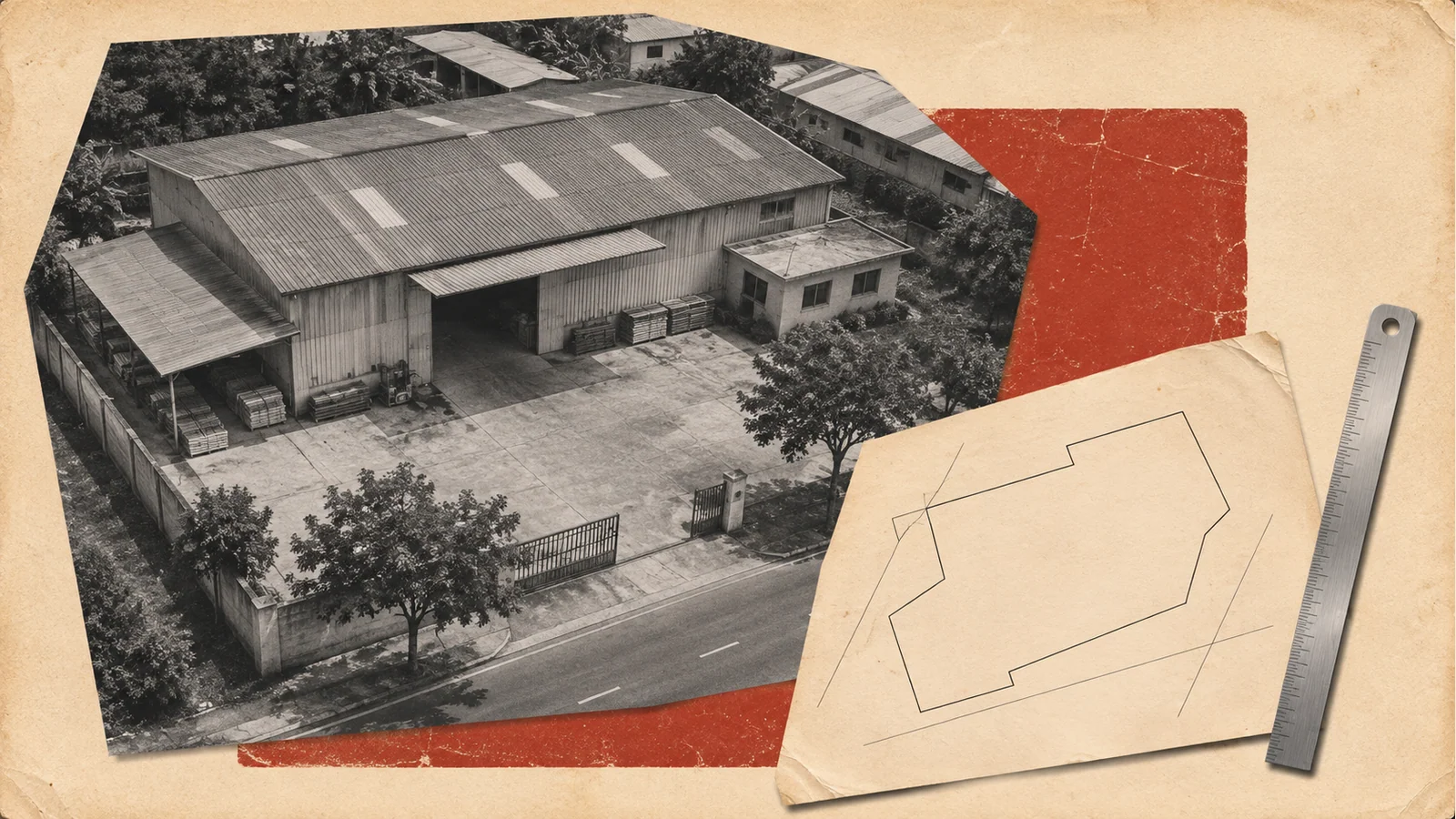
An existing Kesesuaian Kegiatan Pemanfaatan Ruang (KKPR), Indonesia’s spatial-use conformity record, can support a buyer’s or tenant’s own application if the transaction, activity, and site meet the applicable conditions. Before committing, ask for the full approval and its attachments. Compare what it covers with the land and operations your business will actually use.
Ask the seller or landlord for the complete approval
Request the issued KKPR, its coordinate attachment, and any amendments. Identify the operator named in the record and ask for evidence that the person offering the site controls the relevant land. Check the approval’s terms and any expiry or cancellation. Under Article 73 of Investment Regulation No. 5 of 2025, if the holder obtained all the approved land, the KKPR remains valid for the holder’s land-control period and covers the land it obtained within the approved area.
Annex III F to that regulation provides a blank format for a special Persetujuan Kesesuaian Kegiatan Pemanfaatan Ruang (PKKPR), or spatial-use conformity approval. Its fields include the approval number, named operator, business site address, activity code and title, and requested land area. It also shows where to find the issuance date and validity conditions. Page 321 has separate tables for requested and approved coordinates. Use the longitude (Bujur) and latitude (Lintang) in the approved table (Tabel Koordinat yang disetujui) to compare the approved footprint with the site on offer. Official blank special approval format, pages 319–322
The form also states that a PKKPR does not grant land rights.
Both branches in Article 63(2)(d) and (e) name a still-valid KKPR or a location permit or land-use designation permit that shows spatial conformity for the site. For a transfer, the provision refers to the site of a business activity that is already operating. If you receive one of these older permits, ask for its attachments and identify the activity and land it covers. When the record lacks a comparable activity entry, confirm how the authority will assess it before committing.
Identify how your business will take control or use the site
Purchase or other transfer. Article 63(2)(d) requires a written document showing the legal relationship between the prior land controller or operator and the incoming business. It covers transfer of the site, the activity, or both by sale, gift, inheritance, or another lawful means. Article 27(2)(c) of Government Regulation No. 28 of 2025 addresses land already controlled by another operator with a KKPR. Its official explanation calls for written evidence of the legal relationship that transfers control of the land. At the negotiation stage, ask what will establish the transfer when it takes effect.
Lease, loan for use, or other use. Article 63(2)(e) accepts evidence of land rights showing control or a valid written legal relationship between the land controller and the incoming lessee, borrower, or user. For the lease or loan-for-use route under Article 27(2)(d) of Government Regulation No. 28 of 2025, the other operator holding the KKPR must control the land in full. Its official explanation calls for a valid lease or loan-for-use agreement that records at least the prior holder’s willingness to transfer to the incoming operator. Ask to see both the land-control evidence and the proposed agreement before signing. Keep the signed, valid agreement for the application.
Compare both the proposed activity and the footprint
The two regulations use different tests. Under Article 63(7) of Investment Regulation No. 5 of 2025, the same activity means the same code in Klasifikasi Baku Lapangan Usaha Indonesia (KBLI), Indonesia’s standard business classification, the same business-activity group, or the same business-activity category. The area cap in Article 63(2)(d) and (e) allows a proposed area equal to or smaller than the area in the valid KKPR or the land-right evidence. Under Article 27(2)(c) and (d) of Government Regulation No. 28 of 2025, the KBLI code, type of business activity, and area all have to be the same.
For an initial screen, look for a match in code, actual activity type, and area. Use the description of your planned activities to check the applicable business classification. If the proposal fits only the broader wording in the Investment Regulation, ask the competent authority to confirm the filing route in writing before making an unconditional commitment.
Suppose a landlord offers only one part of an approved site. Plot the leased area against the approved coordinates and compare the operation with the activity in the issued record. Even if the operations match and the area is smaller, the government regulation’s same-area wording calls for confirmation of the filing route. If the special route cannot be established, check zoning for the proposed use and assess the ordinary spatial approval route.
Prepare your own application and check for a local requirement
Apply for your own special PKKPR through Online Single Submission (OSS), Indonesia’s business licensing system. Prepare the existing approval and transaction evidence, location coordinates, required land area, land-control information, proposed activity, and relevant plans. Article 63(1) omits the spatial proposal assessment for this route. Registration, document checks, and issuance still apply.
Article 63(8) requires a recommendation or statement from the competent agency for the activity at the site if the regency or city government determines that the activity could cause community problems, social vulnerability, security disturbance, or environmental damage. Ask whether that determination applies to the site and activity. Article 64 covers a separate letter from the administrator, manager, or relevant authority for an activity yet to be registered in OSS in a specified special economic zone, industrial estate, or area run by an authority or development body under Article 63(2)(a)–(c). If the site is for a factory, check the industrial-estate location rules.
If the deal includes a building, compare its building approvals and fitness records with the intended use. Record any separate operating permissions the business will need before it starts using the site.