Indonesia Cuts Gas Exports to Singapore: What Businesses Should Check
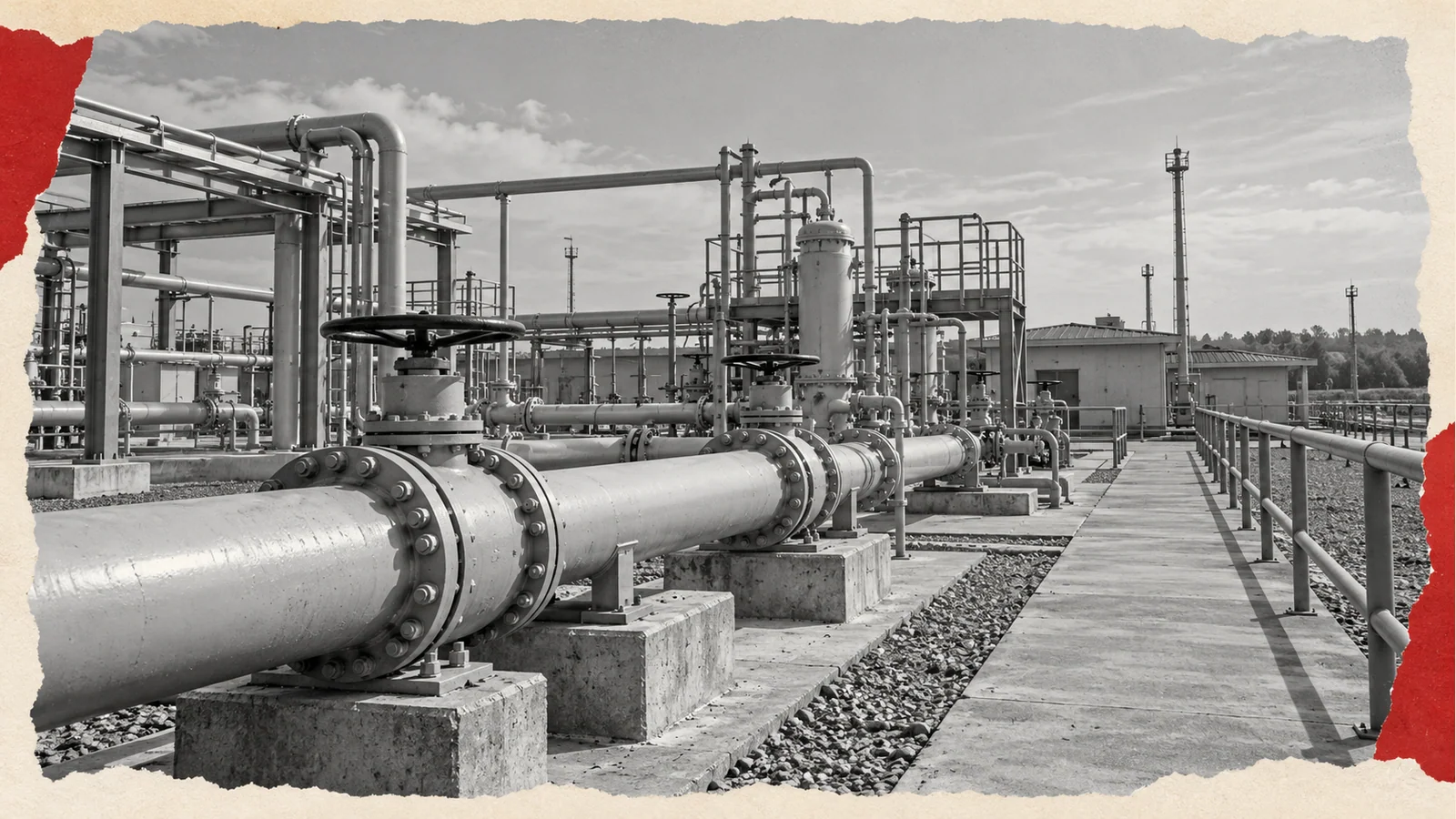
Indonesia began reducing gas exports to Singapore on October 24 to support domestic electricity generation, the country's upstream oil and gas regulator told CNA. The reported power-sector diversion does not confirm extra gas or lower energy costs for an individual Indonesian factory.
Last source check: 07:56 WIB, October 25, 2026, Jakarta time.
Where the supply is being directed
ANTARA reported that the regulator's chief announced the reduction on Friday evening, October 23, for implementation the following day.
CNA reported that supply was being redirected to meet electricity needs in Batam, Bintan and Sumatra. The stated aim was to maintain reliable domestic gas supplies for power generation.
ANTARA also recounted minister Bahlil Lahadalia's earlier call to review gas exports to support domestic petrochemical development. Those broader comments do not establish an industrial allocation from this power-sector diversion.
Why the distinction matters in Indonesia
For an Indonesian business, gas used directly in production and gas supplied to a power generator are different exposures. A factory cannot treat the reported diversion as a confirmed increase in the gas available for its own production. Nor does the stated aim establish that electricity service at its site has improved.
An investor assessing a project's energy position needs evidence connecting the national announcement to that project: an allocation, delivery commitment or service update from the relevant provider.
A corporate group, upstream operator and contracting supplier may be different entities. Lexa's oil and gas company guide explains the distinction between groups, operators and project companies; it is context for assessing exposure, not a complete supplier directory.
Singapore's national response and customer effects
Singapore's Energy Market Authority told CNA the reduction represented less than 2% of Singapore's total daily gas demand and that contingency plans were in place. Importer Gas Supply separately told CNA that customer deliveries had been affected, without specifying how many customers were affected or how long its reductions would last.
National contingency plans and individual delivery changes can coexist. A business buying gas directly needs its supplier's delivery position; an electricity customer needs information about that separate service.
The authority's natural-gas background says imported natural gas generates about 95% of Singapore's electricity. That figure explains the fuel's importance, but does not establish a power interruption at a particular site.
Three questions before changing a business plan
- Is there a confirmed change to your site's gas allocation, deliveries or electricity service?
- What quantity and timing has the provider committed to, and when is its next update?
- What does the actual agreement say about any proposed delivery or price change?
The export announcement alone does not determine a customer's invoice or contractual remedy. The reports reviewed also do not identify every affected customer or verify individual sites' Sunday operating conditions. Dated authority and supplier updates remain the evidence needed to assess further changes.